
PRP Joint Injections in Newburyport, MA
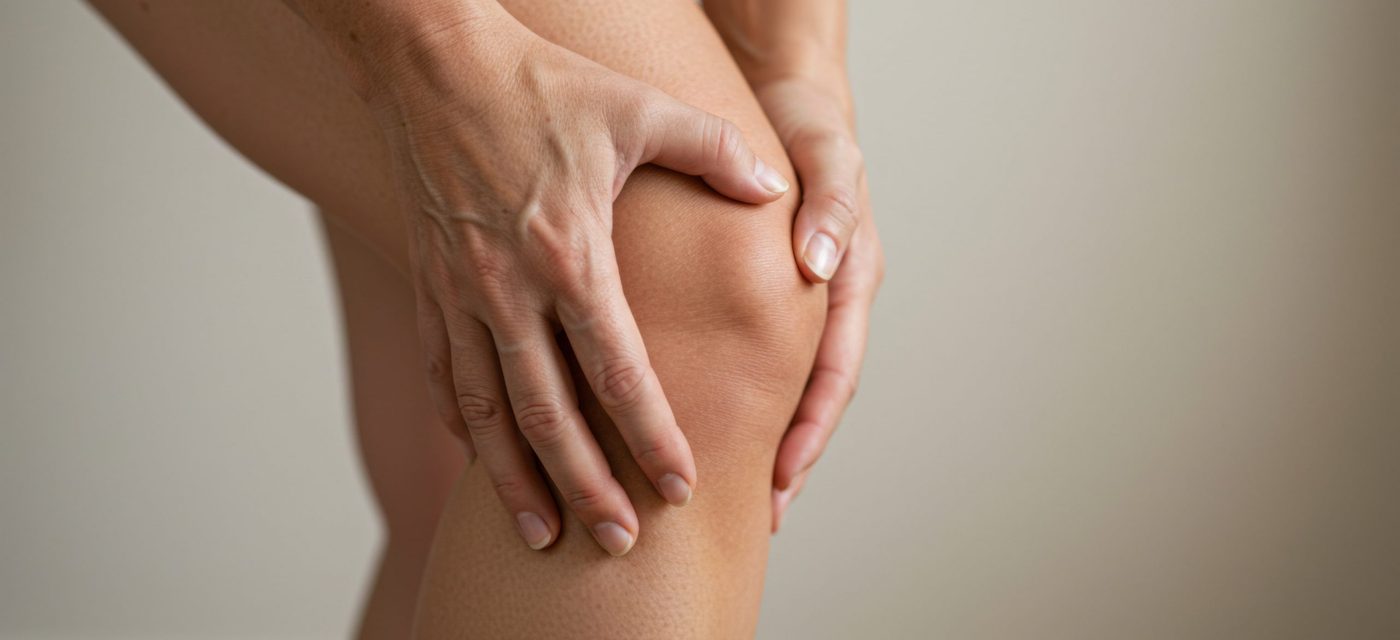
Is joint pain holding you back from doing the things you love?
What is PRP for joint pain?
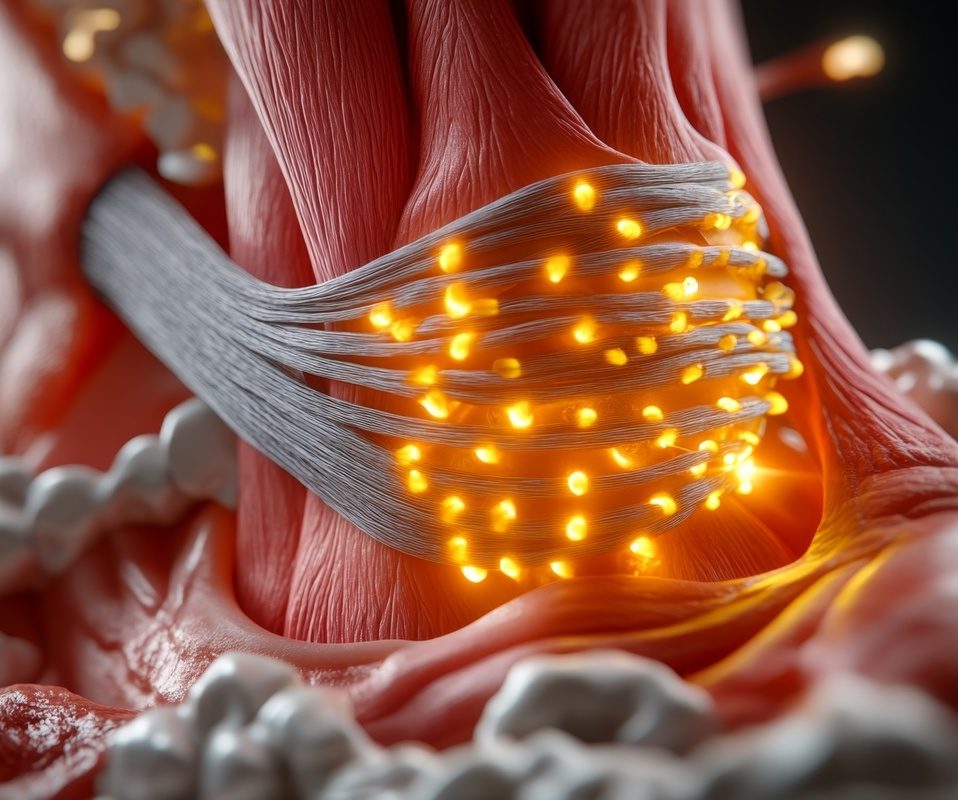
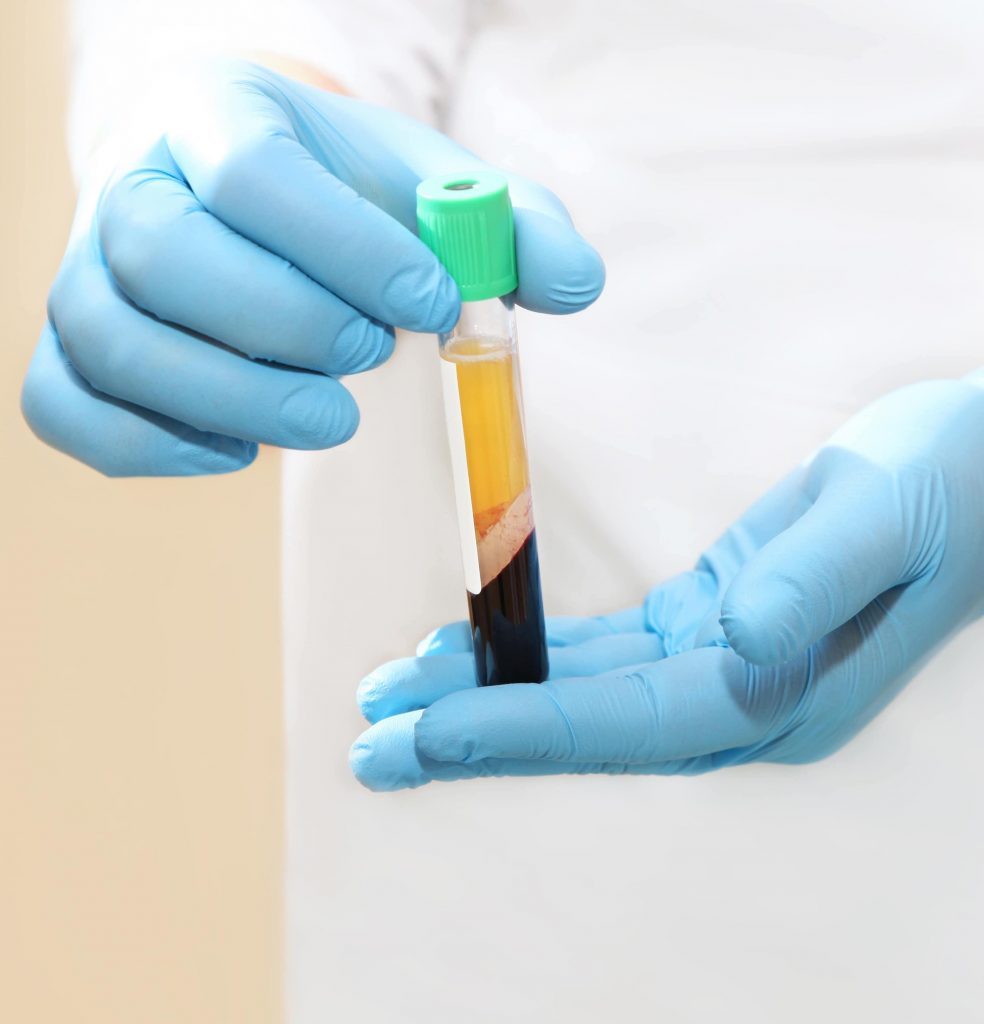
PRP (Platelet-Rich Plasma) therapy is a regenerative treatment that uses your body’s own blood to support healing. A concentrated dose of platelets, rich in growth factors known to stimulate tissue repair and reduce inflammation, is injected into the damaged joint or tissue.
- PRP joint injection $900
- Non-surgical
- Uses your own blood
- Little to no downtime
Medically reviewed by Dr. Mark Su, MD, FAAFP, Medical Director · Updated October 2026

What conditions can PRP joint injections treat?
PRP is especially effective for osteoarthritis in the knees, hips, shoulders and elbows, sports injuries involving ligaments, tendons or cartilage, chronic inflammation or joint degeneration, and tendinitis and bursitis.
- Osteoarthritis in knees, hips, shoulders and elbows
- Sports injuries involving ligaments, tendons or cartilage
- Chronic inflammation or joint degeneration
- Tendinitis and bursitis
Whether it’s from arthritis, injury or overuse, PRP therapy offers a powerful, non-surgical solution to help your body heal naturally and relieve pain at the source.

How is a PRP joint injection done?
A sample of your blood is drawn in-office and spun in a centrifuge to separate and concentrate the platelets. The PRP is then carefully injected into the joint using precise ultrasound guidance. The PRP preparation process takes about 15 to 30 minutes.
- PreparationWe review your medical history and assess the joint or area needing treatment.
- Blood drawA sample of your blood is drawn in-office.
- ProcessingThe blood is spun in a centrifuge to separate and concentrate the platelets.
- InjectionThe PRP is carefully injected into the joint using precise ultrasound guidance.
These growth factors stimulate tissue regeneration, reduce inflammation and improve joint function.
What is recovery like after a PRP joint injection?
Most patients return to normal activity the same or next day, although we may recommend avoiding intense activity for a few days. There’s little to no downtime, and side effects are minimal since the PRP is derived from your own body.
PRP therapy results develop gradually as your body regenerates tissue and reduces inflammation. Many patients experience:
- Noticeable reduction in joint pain and stiffness
- Improved mobility and range of motion
- Decreased reliance on medications like NSAIDs or steroids
- Faster recovery from injuries
- Long-term joint health and protection
For best results, a series of PRP injections may be recommended, depending on the severity of your condition.

Can competitive athletes have PRP injections?
Yes. The World Anti-Doping Agency (WADA) states that platelet-derived preparations such as platelet-rich plasma (PRP) are not prohibited, and that PRP therapy is permitted for local injection.[1]
Pair PRP with recovery services in TruPerformance, such as Hyperbaric oxygen therapy. Interested in PRP for your skin or hair? See PRP for skin & hair.
Meet your provider
Dr. Melissa Broderick, DC, PA‑C
Physician Assistant (PA‑C) & Doctor of Chiropractic · PRP Joint Injections
Melissa has more than 20 years of chiropractic experience. She has worked as a PA in orthopaedics, urgent care and regenerative medicine, including at Concord Orthopaedics and QC Kinetix.

PRP joint injections: common questions
What is PRP for joint pain?
PRP (Platelet-Rich Plasma) therapy uses a concentrated dose of platelets from your own blood, rich in growth factors, to stimulate tissue repair, reduce inflammation and improve joint health.
What conditions does PRP treat?
PRP is especially effective for osteoarthritis in the knees, hips, shoulders and elbows, sports injuries involving ligaments, tendons or cartilage, chronic inflammation or joint degeneration, and tendinitis and bursitis.
How long does a PRP treatment take?
Treatments are quick, minimally invasive and performed right in our clinic. The PRP preparation process takes about 15 to 30 minutes.
How is the PRP injected?
The PRP is carefully injected into the joint using precise ultrasound guidance.
What is recovery like after PRP?
Most patients return to normal activity the same or next day, although we may recommend avoiding intense activity for a few days. There is little to no downtime.
How many PRP injections will I need?
For best results, a series of PRP injections may be recommended, depending on the severity of your condition.
Is PRP allowed for competitive athletes?
Yes. WADA states that platelet-rich plasma (PRP) is not prohibited and is permitted for local injection.[1]
Start healing naturally with PRP therapy
Don’t let joint pain slow you down. At TruWellness, we specialize in PRP therapy to help you regain function, reduce inflammation and get back to living an active life, without surgery or long recovery times.
TruWellness · 255 Low Street, Suite 303, Newburyport, MA 01950 · Monday to Friday, 9:00 am to 5:00 pm
References
- World Anti-Doping Agency. The Prohibited List (M2. Chemical and physical manipulation: intravenous infusions and/or injections). www.wada-ama.org/en/prohibited-list
This page is for general education and is not medical advice. Individual results vary. A TruWellness provider will review your health history before any treatment. Medically reviewed by Dr. Mark Su, MD, FAAFP, Medical Director.