
Peptide Therapy in Newburyport, MA
Curious about peptides, but not sure what is real and what is hype?
What is peptide therapy at TruWellness?
Peptide therapy uses specific prescription peptides, short chains of amino acids, chosen by a provider for a clear goal such as sexual wellness, body composition or skin health. At TruWellness, peptide therapy is part of our TruVitality program, alongside hormone therapy (TRT and HRT). It always starts with a consult, and we offer a short, carefully chosen list.
- Provider-prescribed
- Consult first, labs when needed
- Licensed pharmacy
- A short, vetted list
 Medically reviewed by Dr. Mark Su, MD, FAAFP, Medical Director · Updated October 2026
What are peptides, and how is peptide therapy different?
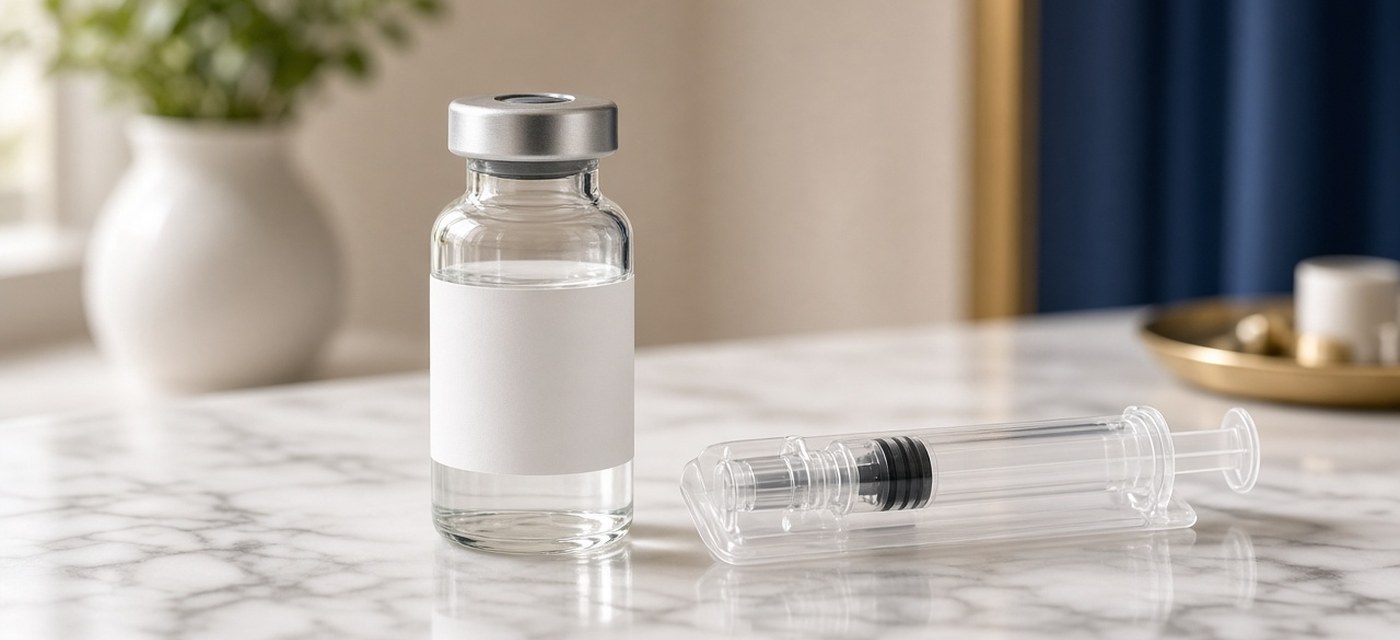
Peptides are short chains of amino acids. Your body naturally makes many of them, including hormones like oxytocin and the antioxidant glutathione, to send signals between cells. Peptide therapy uses specific peptides, prescribed by a provider, for a specific goal.
“Peptides” has become a buzzword, and much of what is sold online is not meant for people. Our approach is simple: a short list of peptides with a clear clinical rationale, prescribed after a consult and filled by a licensed pharmacy. Some are FDA-approved drugs used for their approved purpose; others are compounded for you, which means they are not FDA-approved, and we will always tell you which is which.[3]
“In principle, I’m a total fan of peptides.”
Which peptides does TruWellness offer?
We offer five peptides: tesamorelin, PT-141 (bremelanotide), oxytocin, glutathione and topical GHK-Cu. Each is prescribed only after a consult, and only if it fits your goals and health history.
Tesamorelin
How it is taken: a small daily injection under the skin.
PT-141 (bremelanotide)
How it is taken: an injection under the skin, used as needed before sexual activity.
Oxytocin
Glutathione
A small peptide made of three amino acids (glutamate, cysteine and glycine). It is one of the body’s main antioxidants. We offer it as part of our wellness injections and IV therapy.
How it is taken: an injection or an IV add-on.
GHK-Cu (copper peptide), topical
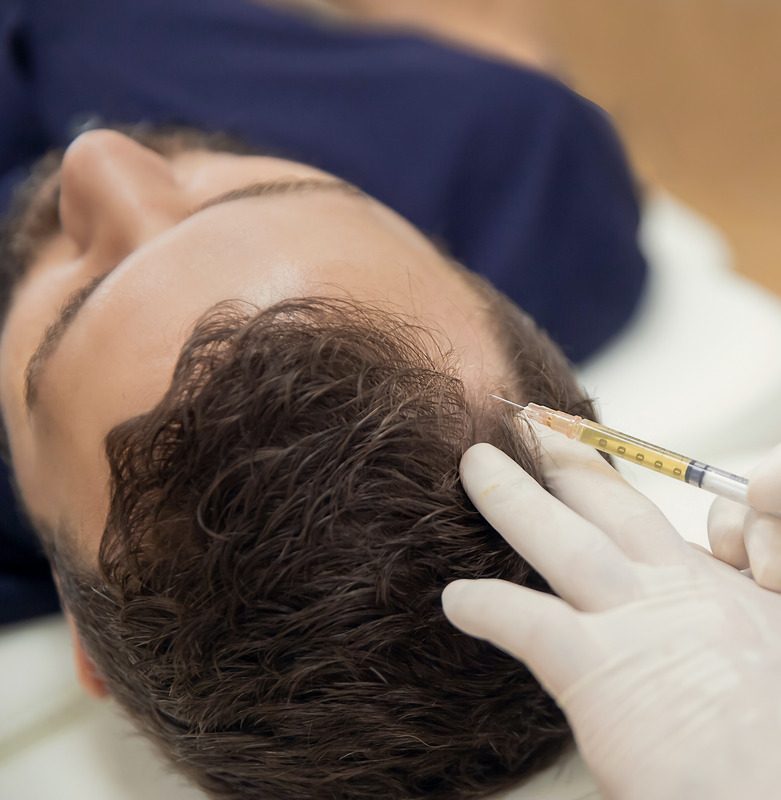
A copper-binding peptide found naturally in the body and widely used in skin care. It has been studied in the lab for roles in skin repair and collagen.[4] We offer it only as a topical cream, serum or scalp solution, not as an injection.
How it is used: applied to the face or scalp as directed.
Who is peptide therapy for?
Peptide therapy may be a fit for adults who have a specific goal, have already looked at the basics such as sleep, nutrition and hormones, and want a provider-guided option rather than something bought online.
People usually ask us about peptides when they are dealing with:
- Low sexual desire, or less connection and intimacy than they want
- Stubborn abdominal fat, as part of a body composition plan
- Thinning hair, or skin that looks dull or less firm
- Wanting extra antioxidant and wellness support
Sometimes the best answer is not a peptide. Low desire can be linked to hormones, stress or medications; weight can be linked to metabolism or thyroid. Your provider looks at the whole picture first, and may suggest HRT, TRT or GLP-1 weight loss instead.
How does peptide therapy work at TruWellness?
Peptide therapy at TruWellness follows four steps: a consult, labs when needed, a focused plan and follow-up.
- ConsultationYour provider reviews your goals, health history and medications, and explains which peptide, if any, makes sense.
- Labs when neededIf your provider needs more information to make a safe decision, labs are ordered before you start.
- A focused planOne peptide for one clear goal, with clear instructions for use. Prescriptions are filled by a licensed pharmacy.
- Follow-upWe check in on how it is working and any side effects, and decide together whether to continue, adjust or stop.
“As clinicians, like the way we’re trained a lot, you know, as a bread and butter is to diagnose and assess and diagnose a need or a problem and then respond accordingly.”
What can I expect from peptide therapy?
What you notice, and when, depends on the peptide and on you. Some act within hours (PT-141 is used as needed), while others are judged over weeks to months. Individual results vary.
Your consult
A focused visit to talk through your goals and health history. You leave knowing whether a peptide is a good option, and what else might help.
Getting started
Your provider explains how to use what is prescribed and what side effects to watch for. Topicals come with simple directions.
Check-in
We review how it is working and any side effects, and change course if it is not helping.
Is peptide therapy safe, and who should not use it?
Peptides are medications, and they have side effects and people who should not take them. We only prescribe the peptides on this page, after a consult, through a licensed pharmacy.
Know before you start
PT-141: nausea, flushing and headache are common, and it can temporarily raise blood pressure. It should not be used by people with uncontrolled high blood pressure or known heart disease.[1]
Tesamorelin: can raise blood sugar and cause fluid retention, joint pain and injection-site reactions. It is not used in pregnancy, with active cancer or with certain pituitary conditions.[2]
GHK-Cu topical: can irritate sensitive skin; patch testing is a good idea.
Who should not use peptide therapy
Peptides are generally not appropriate if you are pregnant, trying to become pregnant or breastfeeding, or if you have an active cancer, unless your provider advises otherwise.
Compounded peptides are not FDA-approved, which means the FDA has not reviewed them for safety, effectiveness or quality.[3] We do not prescribe peptides sold for “research use only.”
Results vary from person to person, and no specific outcome is guaranteed. Your provider will only recommend a peptide if it is a safe, sensible fit for you.
Meet your providers
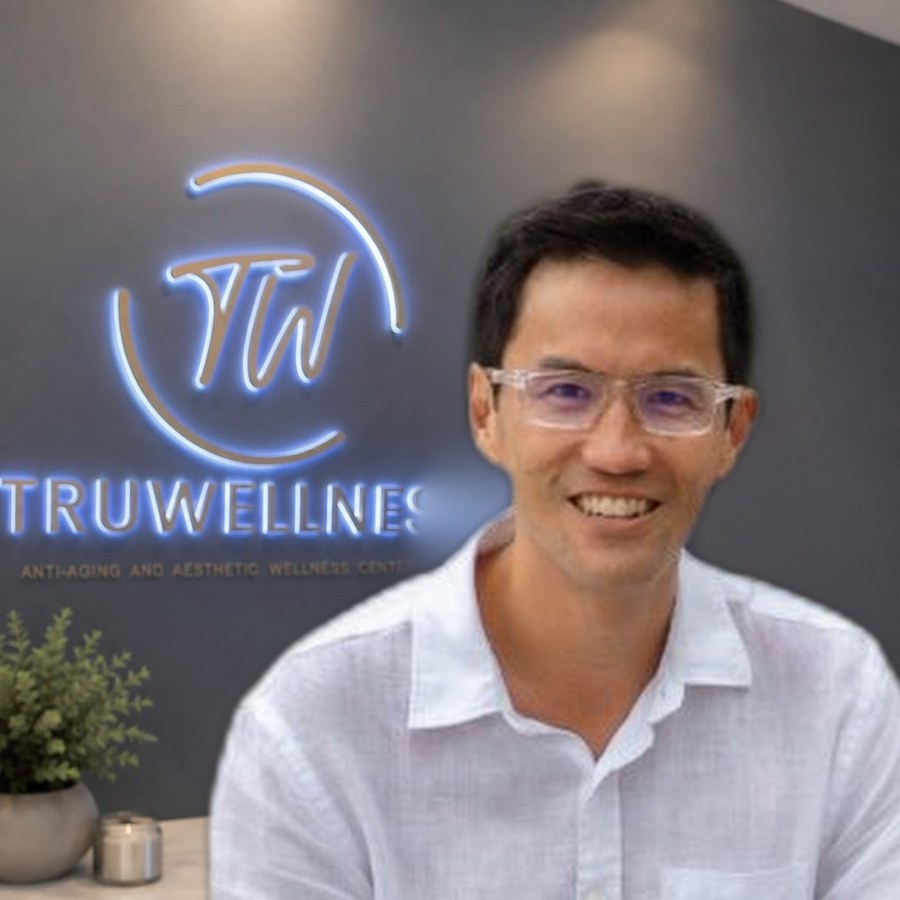
Dr. Mark Su, MD, FAAFP
Medical Director
Board-certified in Family Medicine and in practice since 2003. His specialty of interest focuses on causes of chronic inflammation.
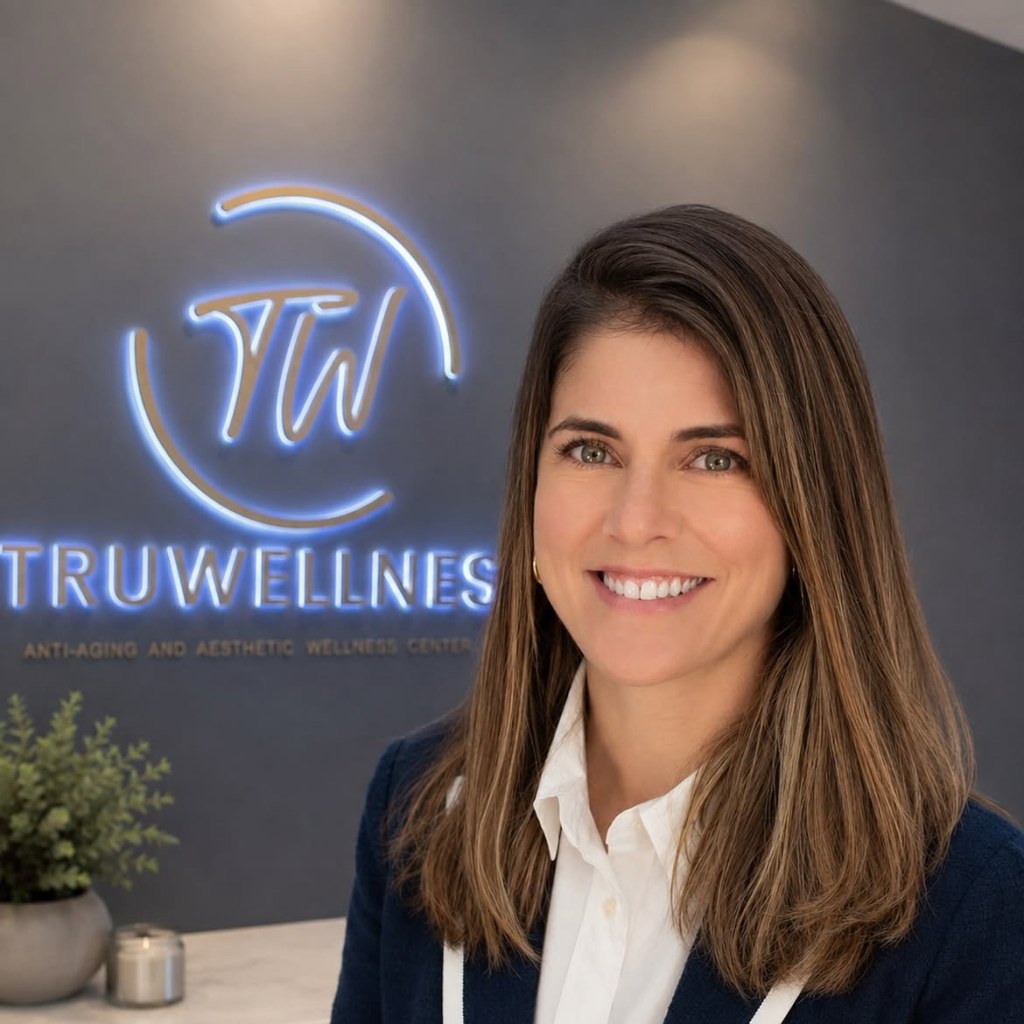
Mary Ramsey Stuckey, PA‑C
Physician Assistant (PA‑C)
Her focus has grown into functional medicine, with particular interest in nutrition, gut health and hormones.
Peptide therapy: common questions
What is peptide therapy?
Peptides are short chains of amino acids, the building blocks of proteins. Your body makes many of them as signaling molecules. Peptide therapy uses specific prescription peptides, chosen by a provider for a specific goal, after a medical consult.
Which peptides does TruWellness offer?
We offer a short list: tesamorelin, PT-141 (bremelanotide), oxytocin, glutathione and topical GHK-Cu copper peptide skin and scalp care. Your provider will recommend one only if it fits your goals and health history.
Do I need a consultation first?
Yes. Every peptide is prescribed after a consult with a TruWellness provider, who reviews your health history, medications and goals and orders labs when needed.
How much does a peptide therapy consultation cost?
A medical consultation at TruWellness is $200. The cost of a peptide depends on what is prescribed, and your provider will go over it with you before you start.
How are peptides taken?
It depends on the peptide. Tesamorelin and glutathione are injections; PT-141 is an injection used as needed; glutathione can also be added to an IV; GHK-Cu is applied to the skin or scalp. Your provider explains exactly how to use whatever is prescribed.
Can I get other peptides I have seen online?
We only prescribe the peptides listed on this page, through a licensed pharmacy. Many peptides promoted online are sold as “research use only” and are not intended for people.
Which services pair with peptide therapy?
Peptides are one tool within TruVitality, alongside hormone therapy: TRT for men and HRT for women. These services can work alongside them, or may be a better first step.

TruVitality hormone therapy (TRT & HRT)
Part of the same TruVitality program. Lab-guided testosterone therapy for men and menopause hormone therapy for women.

GLP-1 medical weight loss
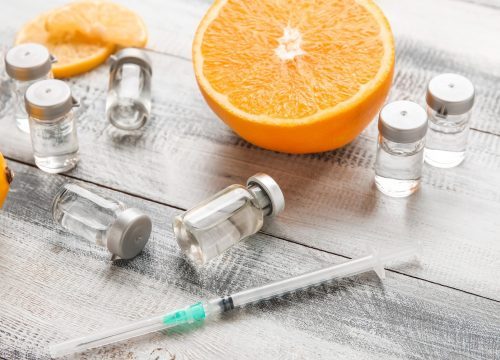
Vitamin & wellness injections
B12, NAD+, MIC and glutathione injections.
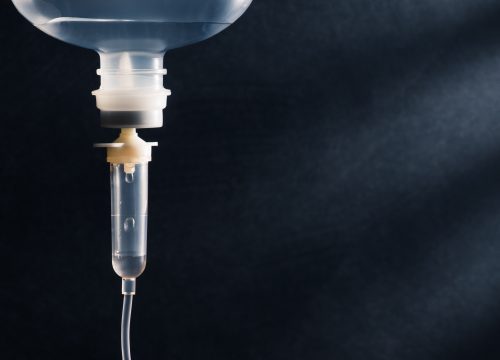
IV therapy
Customized IV drips with fluids, vitamins and nutrients, given by our licensed clinical team.

Medical-grade skin care
Professional skin care products chosen for your skin, including copper peptide options.
Have questions about peptides?
Book a consult with our team in Newburyport. We will give you a straight answer about whether a peptide makes sense for your goals.
TruWellness · 255 Low Street, Suite 303, Newburyport, MA 01950 · Monday to Friday, 9:00 am to 5:00 pm · Serving Newburyport, Amesbury, Newbury, Salisbury, Haverhill and the North Shore
References
- U.S. Food and Drug Administration-approved prescribing information: VYLEESI® (bremelanotide) injection. DailyMed search, U.S. National Library of Medicine. dailymed.nlm.nih.gov/dailymed/search.cfm?labeltype=all&query=VYLEESI
- U.S. Food and Drug Administration-approved prescribing information: EGRIFTA SV® (tesamorelin) for injection. DailyMed search, U.S. National Library of Medicine. dailymed.nlm.nih.gov/dailymed/search.cfm?labeltype=all&query=EGRIFTA
- U.S. Food and Drug Administration. Compounding and the FDA: Questions and Answers. www.fda.gov/drugs/human-drug-compounding/compounding-and-fda-questions-and-answers
- Pickart L, Margolina A. Regenerative and Protective Actions of the GHK-Cu Peptide in the Light of the New Gene Data. Int J Mol Sci. 2018;19(7):1987. PMID: 29986520. pubmed.ncbi.nlm.nih.gov/29986520/
This page is for general education and is not medical advice. Peptides are prescribed only after a provider consult. Compounded medications are prepared by a licensed pharmacy for an individual patient and are not FDA-approved. Brand names are trademarks of their respective owners. Individual results vary, and no specific outcome is guaranteed. Medically reviewed by Dr. Mark Su, MD, FAAFP, Medical Director.